 Kurdistan News
Syria’s Kurdish Education Debate Intensifies
A new Syrian education policy limiting Kurdish-language teaching has sparked protests among Kurdish students and renewed debate over language rights in northeastern Syria.
Article
Syria’s Kurdish Education Debate Intensifies as Damascus Reasserts Control
The future of Kurdish-language education has become a major issue in northeastern Syria as Damascus moves to reassert control over areas previously administered by Kurdish-led authorities.
Under a new government decree, Kurdish has been recognised as a national language and some subjects, including geography, history, social studies and philosophy, may be taught in Kurdish in areas with significant Kurdish populations.
However, the new system limits Kurdish-language instruction to three class periods per week. Core subjects such as mathematics and science are expected to be taught in Arabic.
The change has prompted protests among Kurdish students who have studied primarily in Kurdish since 2012. Some students and Kurdish educators have expressed concern that the transition could affect both education and the preservation of the Kurdish language.
Reuters reported that Kurdish teachers and officials have called for a gradual approach to the changes, arguing that students who have spent years studying in Kurdish could face difficulties if the language of instruction changes too quickly.
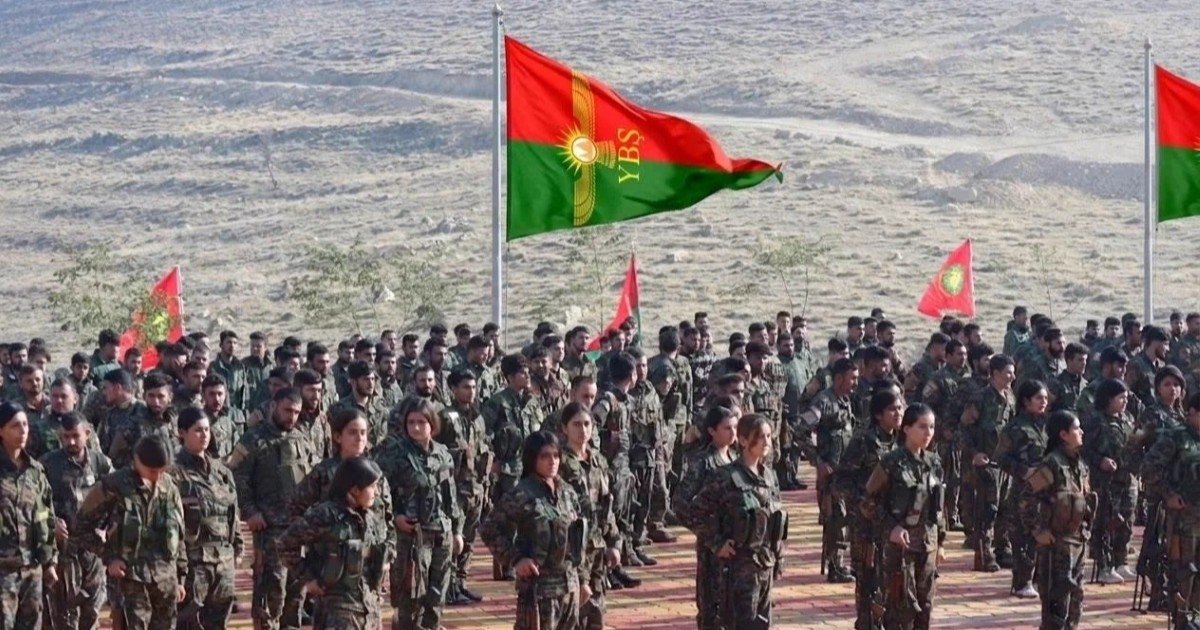
The issue comes during a broader political transition in northeastern Syria. The Kurdish-led Syrian Democratic Forces have been moving towards integration with the Syrian state, while institutions that operated under the region’s previous autonomous administration are also being brought under central government control.
United Nations Secretary-General António Guterres has called for dialogue to address the dispute over Kurdish-medium education and linguistic rights.
The education debate therefore forms part of a wider discussion about how Kurdish cultural and linguistic rights will be protected as Syria’s political and administrative system changes.
Send a message
Write a review
📰 More Kurdistan & UK Kurdish News