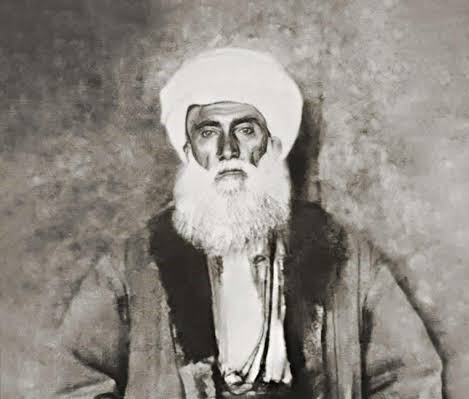
Sheikh Said
Sheikh Said was a Naqshbandi religious leader born near Hinis in the eastern Ottoman lands, whose standing as a respected sheikh gave him influence across a wide confederation of Kurdish and Zaza tribes. His authority combined the spiritual power of the sufi order with the political leadership of the Kurdish countryside.
In February 1925 he rose at the head of a vast uprising, the single largest rebellion in the early years of the Turkish Republic. Drawing on Kurdish tribes and supporters angered by centralising reforms and the abolition of the caliphate, Sheikh Said's forces captured Elazığ and besieged Diyarbakır, demanding recognition of Kurdish national rights. The revolt was suppressed after months of intense military operations.
Sheikh Said was captured and, in June 1925, hanged in Diyarbakır. His death turned him into a martyr and a rallying symbol for the Kurdish national movement. The 1925 rebellion he led left a profound mark on Kurdish collective memory and shaped the relationship between the Turkish state and its Kurdish citizens for a century to come.